
The Competitive Edge of Playing at Home
By Casey Green 5/29/2026
Home-field advantage has been a staple of sports for generations, but what creates that advantage varies from one game to another.
Every team enjoys some level of home-field advantage. While factors such as crowd support and travel affect nearly every sport, the way those advantages manifest can differ significantly. Home crowds provide energy and noise that can influence momentum and communication, while visiting teams must deal with travel, disrupted routines, and unfamiliar surroundings. Beyond those common factors, each sport has unique elements that shape the impact of playing at home.

Photo by All-Pro Reels https://www.allproreels.comNFL
The National Football League is known for some of the loudest and most hostile environments in sports. Crowd noise can make communication extremely difficult for visiting offenses, forcing teams to rely on silent counts and simplified play-calling. This is one of the primary reasons home teams have won roughly 55 percent of NFL games since 2021.
Weather and geography can also amplify the advantage. Teams playing in cold-weather cities often host opponents unaccustomed to snow, wind, or freezing temperatures. Others, such as the Denver Broncos, benefit from high altitude, which can wear down visiting players who are not acclimated to the thinner air. Outside of these factors, however, the NFL's standardized field dimensions limit the ways home venues can create unique competitive advantages.
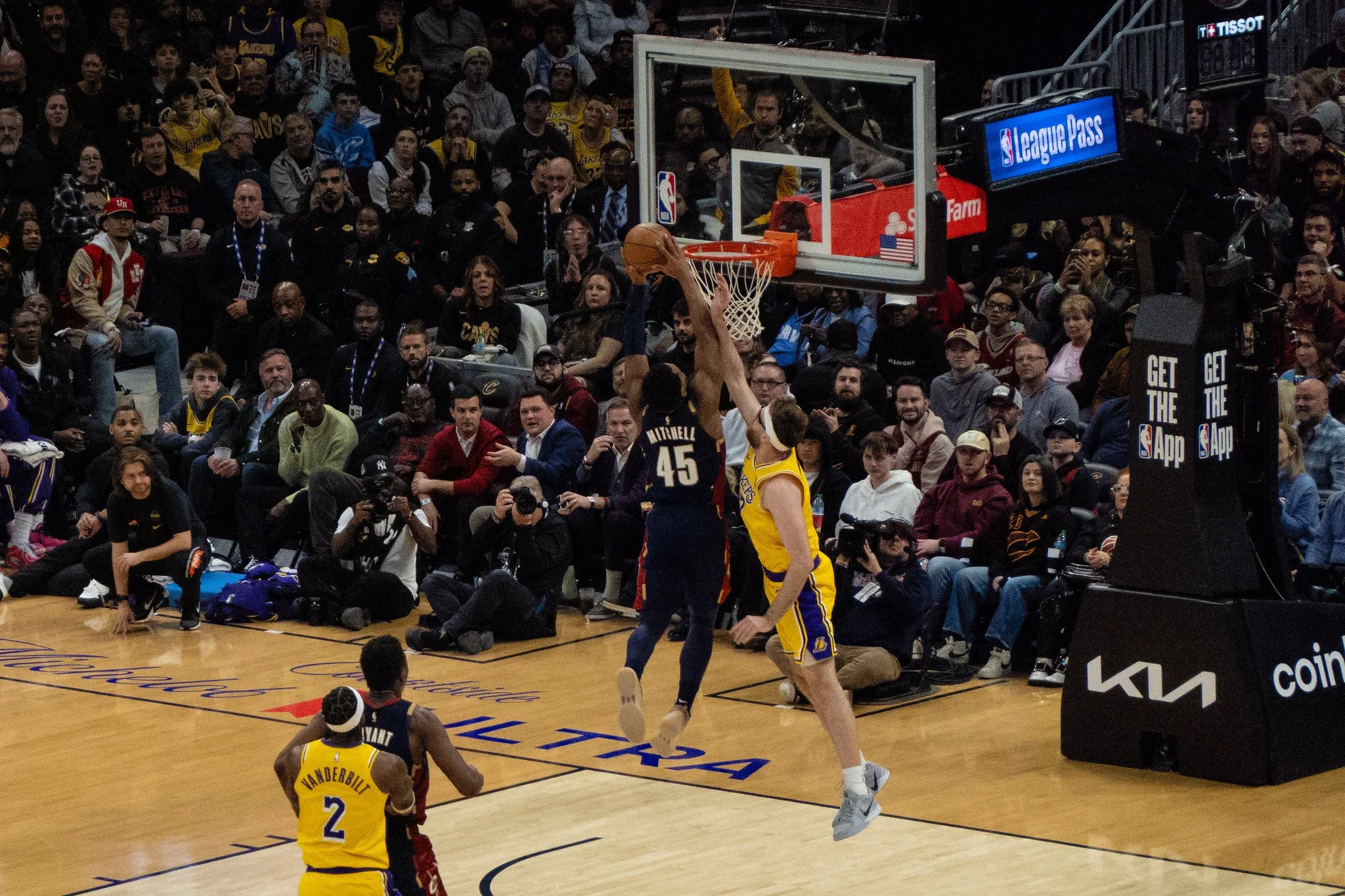
photo by Erik Drost https://www.flickr.com/people/edrost88/NBA
Like the NFL, the NBA operates in a highly controlled environment, meaning most home-court advantages come from factors outside the actual playing surface. Crowd noise, travel, and altitude all contribute to the edge enjoyed by home teams, which have won approximately 55 percent of NBA games since 2021.
One often overlooked factor is visual familiarity. Players spend countless hours shooting in their home arena and become accustomed to the lighting, backdrop, and depth perception behind each basket. While the court dimensions remain identical across the league, these subtle visual differences can affect shooting rhythm and confidence, particularly for visiting players.
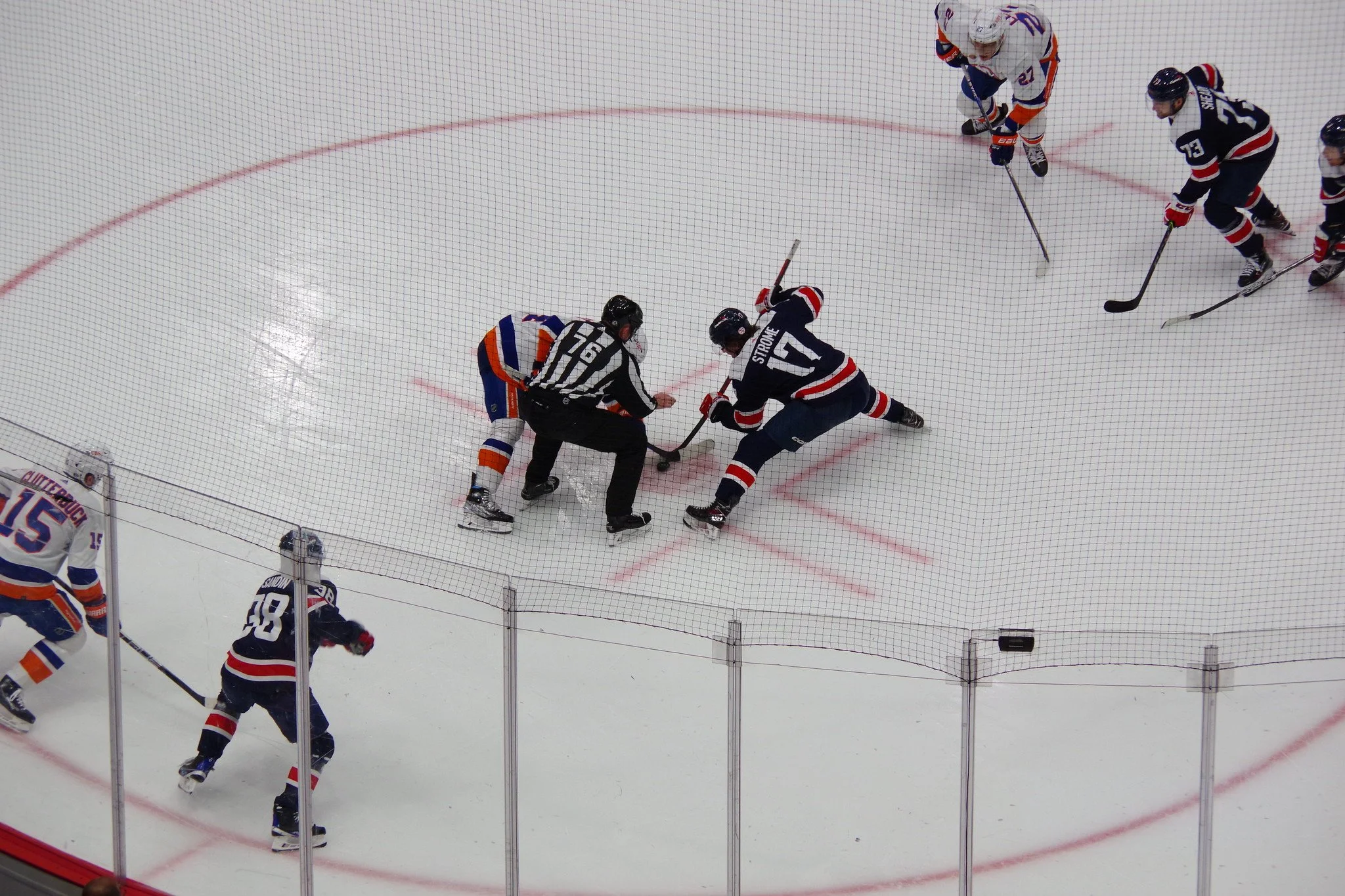
Photo by Amara U https://www.flickr.com/people/mad_african78/NHL
The NHL is also played in a controlled indoor environment, making it similar to the NBA in many respects. Weather plays virtually no role, leaving crowd noise and travel as major contributors to home-ice advantage. Since 2021, NHL home teams have won approximately 54 percent of their games.
Travel can be especially taxing in hockey due to the league's geographic footprint, particularly for teams making long trips across North America. The NHL also includes a unique competitive advantage not found in most major sports: the "last change" rule. During stoppages, the home team is allowed to make its line changes after the visiting team, giving coaches the opportunity to create favorable matchups throughout the game.
MLB
Major League Baseball possesses the most unique form of home-field advantage among the four major North American sports because the field of play itself can vary from stadium to stadium.
Unlike the NFL, NBA, and NHL, MLB parks are not required to have identical dimensions beyond the infield. Outfield wall distances can range from just over 300 feet to more than 420 feet, creating dramatically different playing environments. The walls themselves also vary. Fenway Park's Green Monster sits only 302 feet from home plate but rises 37 feet into the air. At Target Field, balls that strike the limestone overhang above the right-field wall remain in play. Tropicana Field featured roof catwalks that could turn a routine fly ball into a unique scoring opportunity depending on where the ball struck.
Because every ballpark has its own dimensions, quirks, and characteristics, MLB players must constantly adjust when playing on the road. No other major sport features such dramatic differences in the field of play, making baseball's version of home-field advantage arguably the most distinctive in professional sports.

Photo by Chrissy R. https://www.flickr.com/people/87604302@N07/While crowd support and travel affect every sport, the true nature of home-field advantage depends on the game itself. In football, it may be deafening crowd noise. In basketball and hockey, it may be familiarity and routine. In baseball, it may be the dimensions of the stadium itself. Regardless of the sport, playing at home continues to provide teams with a competitive edge that can influence outcomes long before the game even begins.