
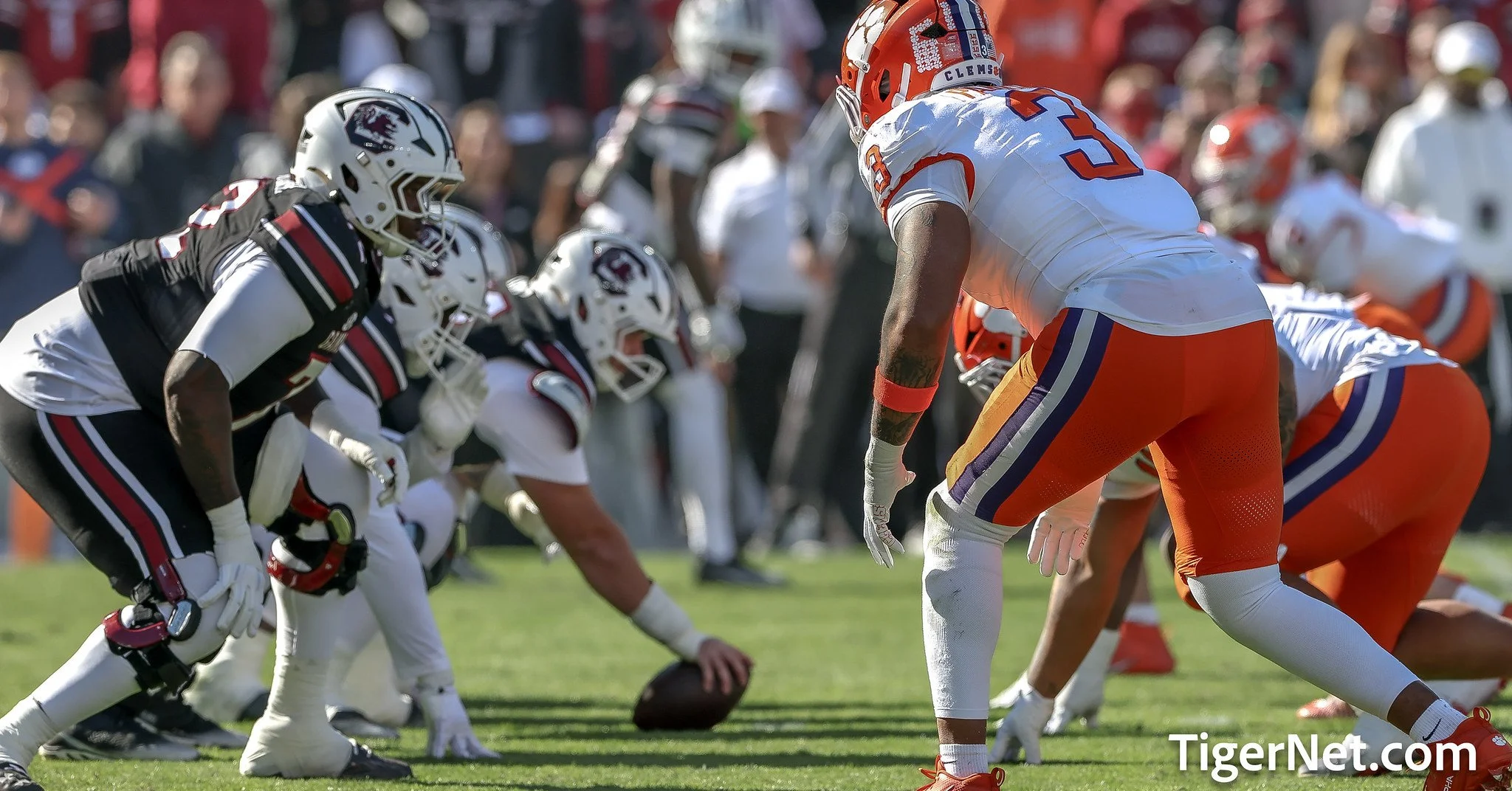
PHOTO by tigernet.comThe Death of Tradition in College Football
By Casey Green
6/24/2026
The era of traditional rivalries in college football is fading, and conference realignment and NIL is to blame.
College football has undergone massive changes in recent years, and one of the biggest casualties has been the sport's historic rivalries. Scheduling disputes and NIL have placed long-standing matchups such as USC versus Notre Dame in jeopardy, while conference realignment has already weakened or disrupted several annual games that were once staples of the sport. These changes are reshaping the identity of college football itself.
The 2024 season marked one of the largest waves of conference movement in college football history. Oregon, Washington, USC, and UCLA left the Pac-12 for the Big 10, while Texas and Oklahoma departed the Big 12 for the SEC. As teams changed conferences, rivalries that had been built into schedules for generations suddenly disappeared. Oregon versus Oregon State, Oklahoma versus Oklahoma State, and annual matchups involving Cal, Stanford, USC, and UCLA have all became uncertain or disappeared altogether.
Not every rivalry determined national championships, but many of them regularly produced upsets and shaking up the college football world. Their importance went beyond rankings and records. Rivalry games represented decades of history and regional pride, and they often carried more personal significance than any other game on the schedule.
The driving force behind these changes is money. From a program's perspective, pursuing larger media deals and increased revenue makes perfect sense. However, many fans feel that college football has lost part of its soul in the process. As conferences expand and schedules become more crowded, schools have less room and less incentive to schedule difficult nonconference rivalry games. The expanded playoff and increasingly demanding conference schedules make preserving those traditions even more difficult.
At the same time, the sport has changed in ways far beyond conference alignment. The introduction of NIL and the transfer portal has transformed roster building. Players now have opportunities to maximize their value and seek better situations, something most athletes would understandably do. Coaches also move more frequently in search of larger budgets and better resources. As a result, teams can look drastically different from year to year, making continuity increasingly rare.
These changes have affected rivalries themselves. While games such as Michigan versus Ohio State and Auburn versus Alabama remain among the greatest traditions in sports, fewer rivalries carry the same meaning they once did. Decades ago, schools often competed for many of the same local recruits. Players grew up understanding the significance of those games because they represented hometown pride and bragging rights. Genuine animosity between rivals developed naturally.
Today, recruiting is national, and rosters are more fluid than ever. For many athletes, rivalry games are simply another step toward conference championships and playoff appearances. Fans, however, still view those matchups differently. At Ohio State, every letter "M" on campus is famously covered in red tape during Michigan week. Traditions like that demonstrate that rivalries still matter deeply to fan bases, even if players no longer experience them in the same way.
College football remains the greatest sport on earth, and the arrival of NIL has provided athletes with opportunities they deserved for decades. However, the combination of NIL, the transfer portal, and conference realignment has created unintended consequences that threaten the sport's identity. Schools are chasing larger television deals to increase revenue, which in turn helps fund NIL opportunities and remain competitive. The result has been a chain reaction that has altered the landscape that the fans have known and loved for generations.
Traditional rivalries are what made college football unique. They connected generations of fans and players through history, geography, and emotion. Unless college football finds a way to preserve those traditions, the sport risks losing the very elements that made it extrodinary in the first place. Fans do not simply want rivalry games to exist—they want them to mean something again.